June 17, 2026
Why Is Kratom Research Sparse? Public Health Gaps Explained

Key Takeaways
- Kratom is difficult to study because products can vary by source, processing, alkaloid profile, and format.
- Much of the available research comes from surveys, case reports, lab analysis, and public health monitoring.
- Clearer product standards could make future research easier to compare.
- Lab testing, transparent labeling, and responsible manufacturing matter in a category where research is still developing.
Kratom research is sparse because kratom sits between public demand, regulatory concern, limited funding, and inconsistent product standards. That is the simple answer, at least on the surface level.
Researchers are studying a complex botanical category, not one uniform product.
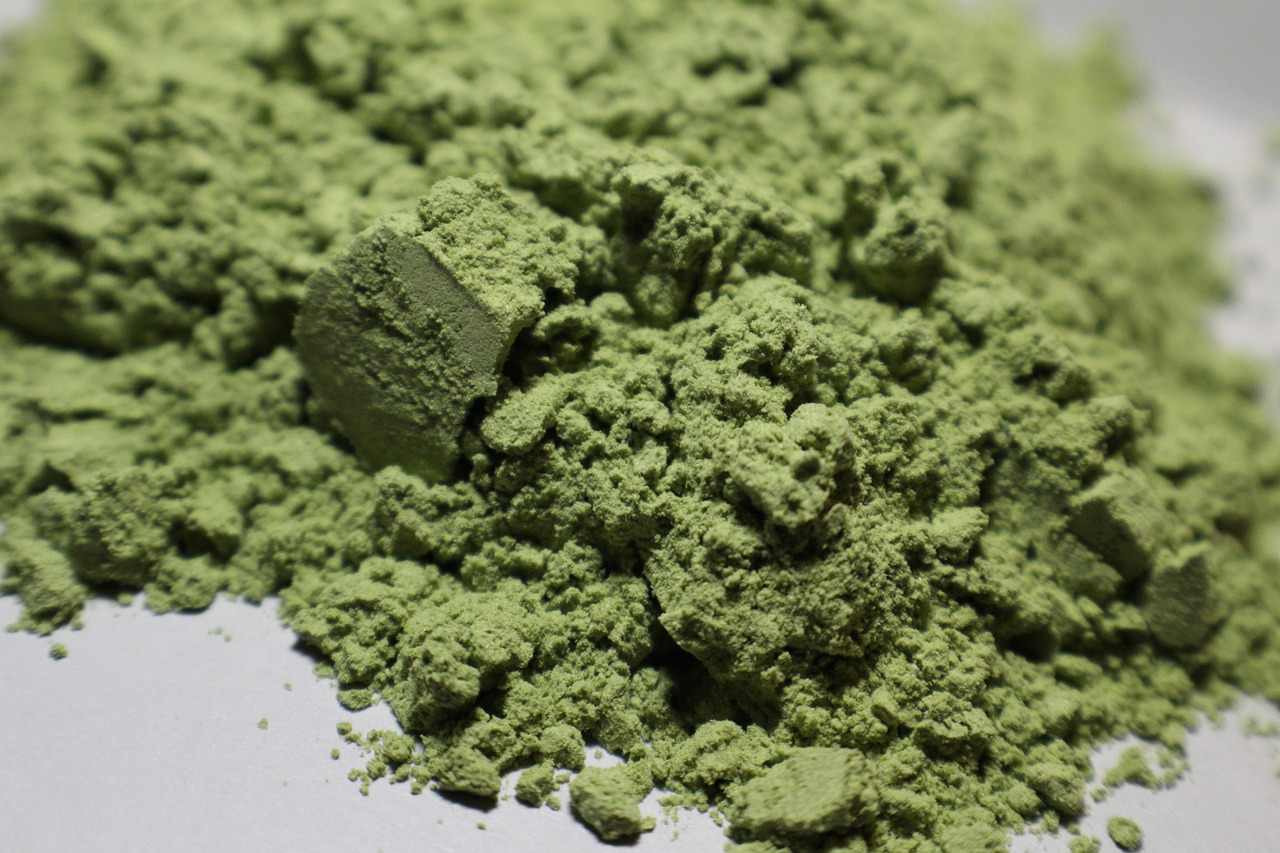
That makes kratom harder to study than a single standardized ingredient with fixed serving sizes, controlled manufacturing, and a clear research pathway. One study might look at a white vein kratom powder. Another might focus on surveys, lab testing, or public health reports based on kratom powder blends. Helpful? Yes. But those pieces do not always line up neatly.
The biggest kratom research gaps involve long-term use, serving sizes, product quality, alkaloid variation, and real-world consumer patterns. In other words, researchers still need better data on what people use, how products differ, and what those differences actually mean.
That’s the short answer.
Why Is Kratom Research Sparse?
Kratom is hard to study. But why?
Because it’s not a standardized product.
One powder may differ from another because of where the leaves were grown, how they were dried, how they were processed, and what the final alkaloid profile looks like.
That creates a problem for researchers.
A clinical study works best when the material being studied is consistent. Kratom products are often more variable than that.
Kratom Sits in a Complicated Regulatory Category
Kratom comes from the leaves of the Mitragyna speciosa tree, but public health agencies do not treat it like a simple, everyday botanical.
That’s vital.
When a category is debated by regulators, research tends to move carefully. Study design, funding approval, product sourcing, and public perception can all become harder to navigate.
The result is slower research and more uneven information.
Different groups also ask different questions. Public health agencies may focus on potential safety signals. Consumers may care more about quality, formats, and real-world use.
Same plant. Different angles.
Funding for Kratom Studies Is Limited
Large-scale studies are expensive.
They need researchers, lab work, participants, oversight, and time. Usually, a lot of time.
Kratom has not had the same steady research pipeline as many pharmaceutical ingredients or more established consumer health categories.
Without consistent funding, the research picture fills in slowly.
That is why many available studies are smaller, narrower, or based on surveys and case reports.
Useful? Yes. Complete? No.
Product Variation Makes Kratom Hard to Study
Kratom is not one identical product.
A powder, capsule, extract, or blend can vary based on sourcing, harvesting, drying, processing, storage, and testing standards.
That makes clean research harder.
Researchers need consistency to compare results across studies. If the products are different, the findings become harder to interpret.
This is one of the biggest kratom research gaps: the market is broad, but research often needs controlled materials.
Real shoppers are not buying “kratom” in the abstract. They are buying specific products from specific brands, with specific standards behind them.
What Are the Biggest Kratom Research Gaps?
The biggest gaps are practical ones.
Researchers still need better information on long-term use, product consistency, serving sizes, alkaloid profiles, and how adults choose different product formats.
That sounds like a lot because it is.
Surveys can tell researchers what people report. A lab test can show what is in a specific product sample. A case report can highlight an individual situation.
Useful pieces. Still pieces.
The harder work is connecting those pieces into a clearer public health picture. That takes time, funding, and more standardized data.
How Better Standards Could Support Better Kratom Research
Better standards would make kratom easier to study.
Clear labeling matters. So does third-party lab testing, contaminant screening, and consistent manufacturing.
Without those basics, researchers may end up comparing products that are not really comparable.
That’s a problem.
If one study examines one type of powder and another looks at a different format, the findings may not align neatly. Better product transparency gives researchers a cleaner starting point.
It also helps customers.
Sabai Kratom is an online kratom shop that focuses on third-party lab testing and products made in a GMP-certified facility. In a category with research gaps, those details give people more information before they buy.
Research Is Still Catching Up
Kratom research is growing, but it’s still catching up to public interest.
People are already buying premium kratom powder, capsules, blends, and extracts. Researchers are still working through basic questions about product variation, long-term patterns, and public health data.
So, what should customers do right now?
Start with the information that’s available. Check lab testing. Read product details. Understand that not every kratom product is made the same way.
Sparse research does not mean there is nothing to learn. It means shoppers should be more careful about quality, sourcing, and transparency while the research continues to develop.