May 15, 2026
Red, White, and Green: Explaining the Different Types of Kratom
Key Takeaways:
- The different types of kratom are based on color, not just strain names.
- Kratom colors (red, white, and green) come from the vein of the leaf.
- Names like Bali or Thai can be helpful, but color usually gives you the clearer starting point.
- Start with color first. The rest becomes a lot easier to navigate.
You’ll see a lot of names once you start looking into different types of kratom.
Bali. Maeng Da. Hulu.
It stacks up fast.
It feels like you’re supposed to know what all of it means right away, as if there’s a test coming or something. There isn’t.
Most people just pick something and hope for the best. Then, they adjust from there.
If you want an experience that’s truly dialed into your needs, it’s simpler than strain names.
Start with color. Red, white, and green.
That’s the part that changes things. Everything else kind of sits on top of this defining factor. Branding, sourcing, naming, all of it.
So, instead of trying to figure out 20 different options at once, it’s easier to start with three colors.
This guide focuses on kratom color as a practical starting point, not a medical recommendation. Because product quality, batch handling, and local rules can vary, it’s still worth paying attention to sourcing, lab testing, and your own state or local regulations before choosing a product.
What Are the Different Types of Kratom?
When people talk about kratom, they’re usually mixing things together without realizing it.
There’s what it’s called. And there’s what it actually is.
Those don’t always line up.
You’ll see names like Bali or Thai and think that’s the important part. It sounds like it should be. But most of the time, it doesn’t tell you much on its own.
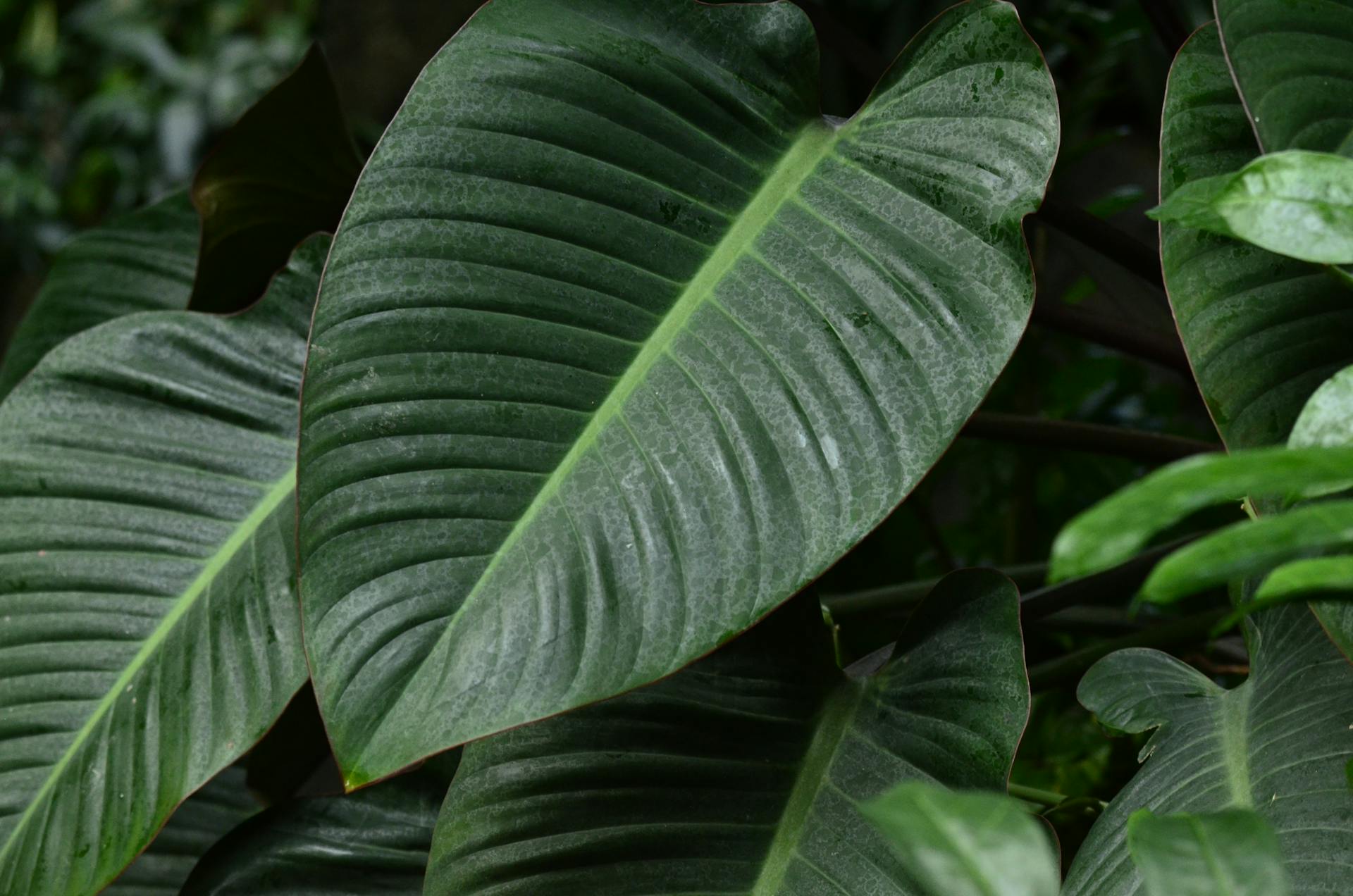
What actually matters is the leaf. More specifically, the vein running through it.
That’s where kratom veins explained starts to make sense.
Those vein colors can be:
- Red
- White
- Green
Understanding Kratom Colors
It sounds simple. Red, white, and green.
The different types of kratom come from the leaf’s vein, but how the leaves are dried and handled also plays a role. So the color gives you a direction, not an exact answer.
That’s why two products with the same color can still feel a little different. Color helps narrow the category, but freshness, handling, grinding, storage, and batch consistency can all influence the final product.
Red Vein Kratom
Red vein kratom is usually where people land when they want something that feels more laid-back.
Heavier. More noticeable in a grounded way.
A lot of people describe it as something they reach for later in the day. Not always, but often. It tends to feel like less is pulling your attention around.
That said, it’s not one-size-fits-all. Some reds feel smoother than others. Some hit a little harder. It depends on the batch. Depends on the processing.
That’s the part people don’t realize right away.
Still, red vein kratom for sale is usually the one people think of first when they hear about kratom colors. It’s kind of the anchor for the category.
White Vein Kratom
White vein kratom sits on the opposite side when it comes to explaining kratom veins.
It’s not typically used for unwinding.
You’ll hear people describe it as more uplifting. More “on.” It’s easier to stay with what you’re doing instead of losing focus and drifting off.
That’s why it tends to show up earlier in the day for some people. Or anytime they don’t want something that feels too weighed down.
But again, this is where expectations can get weird.
Not all white vein kratom powder or capsules are the same. Some are smoother. Some have more pronounced effects.
A lot of that comes back to how it’s processed, not just the vein itself.
Green Vein Kratom
Green vein kratom lands somewhere in the middle when it comes to kratom colors.
It’s not as chill as red. Not as hustle-ready as white.
That’s why a lot of people treat it like a default. They buy green kratom to use without having to think too much about timing or intensity.
Some describe it as balanced. Others just say it feels steady.
Among the different types of kratom, it’s the one people come back to when they don’t want to overcorrect in either direction.
Why Kratom Colors Matter More Than Strain Names
Strain names sound specific. Bali. Thai. Hulu.
They feel like they should tell you everything. Most of the time, they don’t.
What actually helps is the color.
These colors give you a clearer starting point. Red, white, and green are more consistent regarding different types of kratom than a strain or product name.
That’s why people who’ve been around a bit stop chasing names. They pay attention to colors instead.
A strain name can still be useful once you already know what color category you prefer. But if you’re comparing options for the first time, color is usually the simpler filter.
How to Choose Between the Different Kratom Veins
There’s no perfect way to do this.
You try something. See how it fits. Adjust from there.
Some people start with one color and stick with it. Others rotate depending on the day. It doesn’t have to be a strict system.
If anything, it’s more about trial and awareness than anything else.
Pay attention to how different types of kratom feel for you. That matters more than picking the “right” one on paper.
If you’re comparing products, start with the basics: color, product format, lab testing, freshness, and whether the vendor clearly explains sourcing and handling. Those details usually tell you more than the strain name by itself.
FAQs About the Different Types of Kratom
What color kratom should beginners learn about first?
Most people find it easiest to learn the three main color categories first: red, white, and green. Once those differences make sense, strain names like Bali, Thai, or Maeng Da are easier to compare.
Are kratom colors more important than strain names?
For many shoppers, yes. Color gives a clearer starting point because it connects back to the leaf vein and overall category. Strain names can still help, but they usually work better after you already understand the color family.
Do all red, white, and green kratom products feel the same?
No. Color helps set expectations, but batch quality, processing, drying, storage, and product format can all make a difference. That’s why lab testing and consistent sourcing matter.
Ready to Try Fresh, Premium Kratom?
If you’re ready to explore the different types of kratom, Sabai Kratom keeps it simple.
Fresh, lab-tested kratom that’s consistent from batch to batch.
We handle our kratom with care from sourcing through packaging, so you know what you’re getting each time. No guesswork. No surprises. Just reliable quality you can come back to when you find something that fits.
Explore red, white, and green options side by side so you can start with the color that makes the most sense for your routine.